Monzo vs Starling Current Account: 8 Fee, Overdraft, Travel and Support Differences UK Users Should Check
If you are choosing between Monzo and Starling, the hard part is not deciding whether either app looks modern. Both are app-first UK banks, both offer current accounts, both publish FSCS protection information, and both are regularly discussed as alternatives to high-street banking. The harder question is practical: which account is less awkward when you deposit cash, use an overdraft, travel, need support, or switch your salary and Direct Debits?
The practical split is this: Starling is usually the cleaner fit for fee-sensitive travellers and people who deposit cash through the Post Office, while Monzo may suit users who want stronger Pots, plan upgrades, and a broader in-app money hub. This is an editorial comparison, not personal financial advice. Read our editorial policy and about page for how we handle source-based finance reviews and commercial disclosure.

Quick Comparison Table
| Difference checked on 3 July 2026 | Monzo Current Account | Starling Personal Current Account |
|---|---|---|
| Monthly account maintenance fee | £0 on the standard current account, with optional paid plans | £0 on the personal current account |
| UK card payment | £0 | £0 |
| Foreign card payment | £0 according to Monzo fee information | £0 according to Starling fee information |
| Overseas cash withdrawal | Outside EEA: first £200 per rolling 30 days free, then 3%; UK/EEA limits depend on eligibility criteria | Starling says no fee from Starling for cash withdrawals abroad, with a £300 equivalent daily withdrawal limit |
| Cash deposit | £1 per deposit at PayPoint or Post Office | Free up to and including £1,000 through the Post Office, then 0.7% on the amount above £1,000 |
| Arranged overdraft | 19%, 29% or 39% EAR/APR variable; representative example uses 39% APR | 15%, 25% or 35% EAR variable; representative rate 15% EAR |
| FSCS deposit protection | Eligible deposits protected up to £120,000 per depositor per bank | Eligible deposits protected up to £120,000 per depositor per bank |
| Support emphasis | In-app and phone support hours published, with urgent 24/7 support noted | 24/7 UK-based support promoted on Starling’s account page |
Monzo Current Account: Strong Pots And App Depth, But Check ATM And Cash Deposit Rules
Monzo’s standard current account is the better-known “money hub” option for many UK app-bank users. The official Monzo current account page highlights spending categories, trends, Pots, foreign card spending with no Monzo foreign transaction fee, and access to savings products. It also sits inside a broader Monzo ecosystem that includes paid plans, loans, credit products, savings, investments, insurance, and account switching.
That breadth matters if you want one app to organise daily spending and hold several money tasks in one place. Monzo’s Pots and round-up style workflows are a natural fit for people who budget by buckets rather than by spreadsheets. The trade-off is that some everyday edge cases are not as clean as the headline app experience. Monzo’s fee information states a £1 cash deposit fee at PayPoint or Post Office, and overseas cash withdrawal rules depend on geography and account-use criteria.
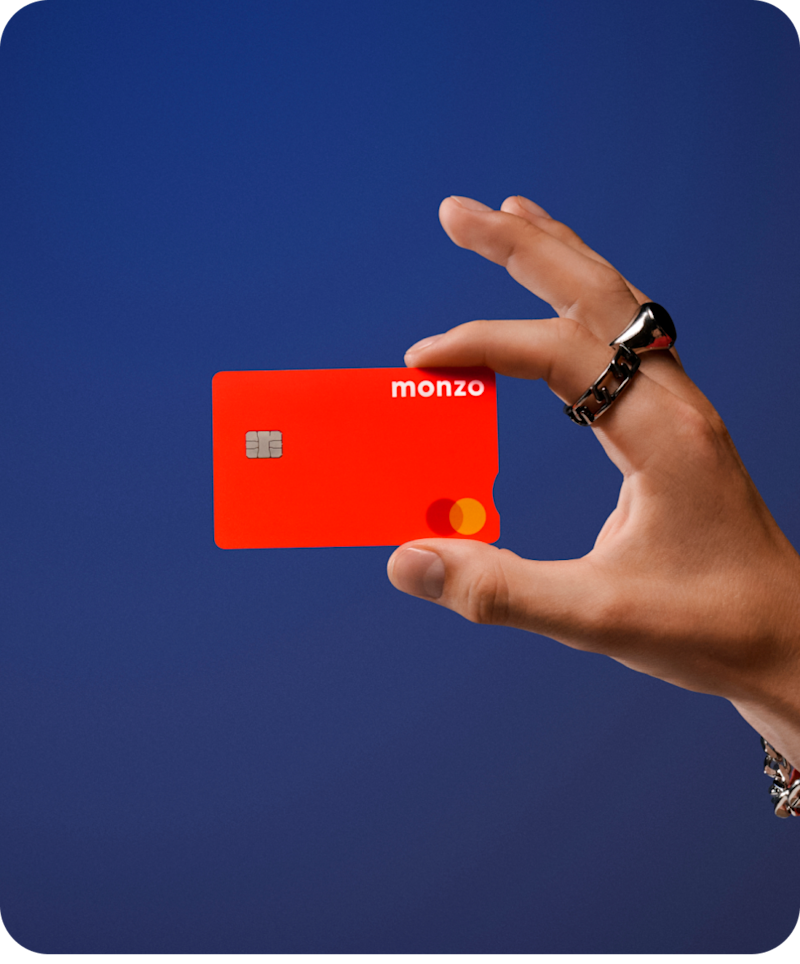
Monzo’s overdraft also deserves a careful read. Monzo publishes three variable rates: 19%, 29% or 39% EAR/APR, with a 39% representative APR example. Opening an overdraft can leave a hard check on your credit file, and unpaid overdraft charges or unarranged borrowing can be reported to credit reference agencies. That does not mean Monzo is unsuitable; it means you should not treat the overdraft as a casual extension of your balance.
Starling Current Account: Cleaner Travel And Cash Handling, With Less Lifestyle Bundling
Starling’s personal current account is also app-first, but its strongest practical angle is fee simplicity in a few areas where people notice friction. Starling says you can spend and withdraw abroad with no fee from Starling, while using Mastercard’s exchange rate. Its travel page also notes a daily cash withdrawal limit equivalent to £300 and warns that some card machines or ATMs may still charge their own fee.
For cash deposits, Starling’s fee information document says Post Office cash deposits are free up to and including £1,000, then 0.7% on the amount above £1,000. That is a meaningful difference if you occasionally handle physical cash. Starling also promotes 24/7 UK-based support, Spaces for separating money, Bills Manager, card lock controls, and security tools.

The trade-off is that Starling may feel less like a lifestyle bundle than Monzo. If you want paid account perks, a wider plan ladder, or a broader app ecosystem around savings, investments, credit, insurance, and subscriptions, Monzo has more visible add-ons. If you want a current account that keeps the main fee rules simple, Starling’s proposition is easier to understand.
Fee Difference 1: Monthly Cost And Core Account Use
Both standard accounts are easy to compare at the account-maintenance level: Monzo’s fee information says maintaining the current account is £0, and Starling’s fee information document also lists £0 for maintaining the personal current account.
For routine UK payments, both are also low-friction. Monzo lists Direct Debit, standing order, sending money within the UK, receiving GBP, UK cash withdrawals, and GBP debit card payments at £0. Starling’s fee document lists Direct Debit, standing order, Faster Payments, UK cash withdrawals, GBP debit card payments, and foreign card payments at £0.
The difference is not basic account maintenance. It appears in the surrounding cases: international transfers, foreign cash, cash deposits, replacement cards, and overdrafts.
Fee Difference 2: Cash Deposits Are Better For Starling In Most Small-Cash Scenarios
If you rarely deposit cash, this section may not decide the account. If you do handle cash, it can matter quickly.
Monzo states a £1 fee per cash deposit at PayPoint or Post Office. That is simple, but it applies per deposit. Starling’s personal current account fee document says Post Office cash deposits are free up to and including £1,000, then 0.7% on the amount above £1,000. For someone paying in a small amount occasionally, Starling’s approach is usually more forgiving.
That does not automatically make Starling the right account for every cash user. You still need to check local Post Office access, deposit limits, and whether the account fits your wider banking habits. But on the published fee documents, Starling has the cleaner cash-deposit setup.
Fee Difference 3: Travel Card Spending Is Similar, But ATM Rules Are Not
Both accounts can work for overseas card spending. Monzo’s fee information lists debit card payment in a foreign currency at £0. Starling’s fee document also lists debit card payment in a foreign currency at £0, and its travel page says it passes on the Mastercard exchange rate without Starling adding extra charges.
The sharper difference is cash. Monzo’s rules are more conditional. Its fee document states that foreign currency cash withdrawals outside the EEA are free for the first £200 in a rolling 30-day period, then 3%. It also has separate UK/EEA cash withdrawal rules depending on whether you meet account-use criteria. Starling says cash withdrawals abroad are free from Starling, with a daily limit equivalent to £300.

If you mainly pay by card abroad, either can be usable. If you withdraw cash abroad often, Starling is easier to explain and may be cheaper under the published rules. Always watch for local ATM operator fees, because those are outside the bank’s own fee schedule.
Fee Difference 4: Overdraft APR Looks Lower At Starling, But Eligibility Still Controls The Offer
Overdraft comparisons are not just about the headline rate. They are credit products, eligibility checks apply, and the rate you receive may depend on credit profile and affordability.
Monzo publishes arranged overdraft rates of 19%, 29% or 39% EAR/APR variable, with a representative APR of 39%. Monzo also states that opening an overdraft leaves a hard check on your credit file. If you fall into unarranged overdraft or miss charges, Monzo says it may report that to credit reference agencies, which can make future borrowing harder.
Starling’s fee information document lists arranged overdraft rates of 15%, 25% and 35% EAR variable, with a representative rate of 15% EAR. It also lists unarranged overdraft at £0. That makes Starling look stronger on published overdraft pricing, but it does not guarantee approval or a particular limit.
If you expect to use an overdraft often, treat this as a borrowing decision, not just a banking-app decision. Compare your offered rate, limit, affordability, alerts, and repayment plan before switching.
Fee Difference 5: FSCS Cover Is Similar, But Deposit Limits Still Matter
Monzo and Starling are both UK-regulated banks, and both publish FSCS information. Their current FSCS information sheets state that eligible deposits are protected up to £120,000 per depositor per bank, building society, or credit union.
That protection is important, but it is not unlimited. If you hold a current account, savings account, and other eligible deposits with the same bank, the limit applies to the total eligible balance with that bank. Joint accounts can have separate protection per eligible account holder, but readers should check the official FSCS wording and their own account statements.
For most everyday current account users, FSCS is not the deciding difference between Monzo and Starling. It is a baseline safety check both should pass for eligible deposits.
Fee Difference 6: Support And Service Quality Are Not The Same Thing
Starling’s account page strongly promotes 24/7 UK-based support. Monzo publishes more granular current account service information, including common-query support hours and urgent 24/7 support for some cases.
Independent editorial sources add useful context. Which? listed both Monzo and Starling as Recommended Providers in its 2025 bank-account coverage, with each showing an 83% customer score. Which? praised Monzo’s app and Starling’s online/mobile banking and overseas value, while also noting that both had only average ratings in some customer-service dimensions. MoneySavingExpert also lists both as app-based account options and separately highlights their budgeting, travel, and overdraft differences.
The reader takeaway is simple: do not judge support only from an app-store rating or marketing phrase. If you rely on phone help, account suspension progress, vulnerable-customer support, or fast fraud response, read the bank’s service information and recent complaint/service-quality data before switching your main account.
Fee Difference 7: Switching Is Easy In Theory, But Not Frictionless
Both providers participate in the UK current account switching ecosystem, and the Current Account Switch Service can move payments in seven working days when the conditions are met. Monzo’s switching guide explains that Direct Debits and standing orders can be moved, your old account can be closed, and payments sent to the old account can be redirected.
The friction sits around the edges. Third-party provider permissions do not automatically transfer. Recurring card payments, such as continuous payment authorities, may need to be set up again. If you want an overdraft at the new bank, you should check eligibility before switching, because the overdraft itself does not simply transfer as a like-for-like entitlement.
This matters for both Monzo and Starling. Switching your “spending account” is easy. Switching your main account, salary, bills, subscriptions, open-banking permissions, and overdraft setup takes more care.
Fee Difference 8: Ecosystem Fit Is The Real Decider
Once the hard fees are checked, the decision becomes behavioural.
Choose Monzo if you want a current account that feels like a budgeting control centre. Pots, categories, spending trends, plan upgrades, and add-on products make it attractive for users who want to organise money inside one app. It is also a strong fit if you mostly spend by card abroad and rarely deposit cash.
Choose Starling if you want cleaner published rules for travel cash withdrawals, cash deposits through the Post Office, and a lower representative overdraft rate. It is also a strong fit if 24/7 UK-based support and simple everyday banking tools matter more than paid account extras.
Neither account is automatically the right main bank for every UK user. The better choice depends on how you actually use the account: salary, Direct Debits, cash, travel, overdraft, savings, and support expectations.
Internal Links For Related UK Money Decisions
If you are comparing travel spending, read our Wise vs Revolut travel card comparison next. If you are deciding where to hold savings, compare Raisin vs Flagstone savings platform differences. Investors should also check our stocks and shares ISA platform fee guide and our Trading 212 vs Freetrade ISA comparison. If your priority is rebuilding credit rather than choosing a current account, see Bits vs Pave credit builder.
FAQ
Is Monzo or Starling cheaper for everyday banking?
For standard account maintenance and routine UK card use, both publish £0 fees. The difference appears in edge cases. Starling looks cleaner for cash deposits and overseas cash withdrawals, while Monzo has stronger plan-led extras and money-management features. Check current fee documents before applying.
Is Starling better than Monzo for travel?
Starling is easier to understand for overseas cash withdrawals because it says it does not charge Starling fees for spending or withdrawing abroad, subject to limits and possible ATM operator fees. Monzo also offers fee-free foreign card spending, but its overseas ATM rules include rolling limits and 3% fees after those limits.
Does Monzo or Starling have a cheaper overdraft?
On published representative rates checked on 3 July 2026, Starling’s representative arranged overdraft rate is lower at 15% EAR variable, while Monzo’s representative APR is 39% variable. Your actual eligibility, limit, and rate may differ, and opening an overdraft can affect your credit file.
Are Monzo and Starling protected by FSCS?
Both publish FSCS information for eligible deposits. Their current information sheets state protection up to £120,000 per depositor per bank. This protection is not unlimited, and exclusions can apply, so check your account statement and the official FSCS wording.
Can I switch from another bank to Monzo or Starling?
Yes, if your old and new accounts are eligible for the Current Account Switch Service. The process can move salary payments, Direct Debits, and standing orders, but third-party open-banking permissions and recurring card payments may need manual work after the switch.
Which account should I choose if I deposit cash?
Starling’s published fee document is more favourable for many small-cash users because Post Office deposits are free up to and including £1,000, then 0.7% above that. Monzo lists a £1 fee per cash deposit at PayPoint or Post Office.
Commercial Disclosure And Scope Note
This article is based on official provider pages, fee documents, regulatory-style service information, and reputable editorial references checked on 3 July 2026. It is not personal financial advice and does not guarantee eligibility, account approval, overdraft approval, rates, or future fee levels. Thnktnk may earn commission from some outbound links where a commercial relationship exists, but source selection and editorial order are based on reader usefulness. See our about page and editorial policy for details.
Source Notes
- Monzo current accounts
- Monzo fee information
- Monzo overdraft information and https://monzo.com/legal/overdraft-information
- Monzo current account service information
- Monzo FSCS information
- Starling personal current account
- Starling fee information document
- Starling travel money page
- Starling FSCS information
- Which? bank account research
- MoneySavingExpert digital banking guide