Bits vs Pave Credit Builder: 8 UK Differences to Check

A credit builder app can help you create a repayment record, but it can also hurt your file if you miss payments or choose a product that does not fit your budget. That is the tension in this Bits vs Pave credit builder comparison: both products are built around reporting behaviour to credit reference agencies, but they ask you to build that record in different ways.
Bits looks more like a starter credit-card path. Pave looks more like a subscription-led credit-building and bill-monitoring path. The practical question is not which one sounds more impressive. It is whether you want a small-limit card workflow, or a paid credit-building plan that works in the background without giving you a card to spend on.
Commercial disclosure: Thnktnk may earn a commission if affiliate links are added to this page in future. Our comparison is based on official provider pages, regulatory notes, public review signals, and our editorial policy. This is not personal financial advice; our role is explained on About Thnktnk.
Bits vs Pave credit builder: quick comparison table
| Difference | Bits | Pave |
|---|---|---|
| Main model | Subscription plus Store Card and Credit Card experience | Subscription-led credit builder account and bill-monitoring workflow |
| Current headline fee checked | £14/month subscription shown on the official Bits page | 14-day free trial, then £9/month shown on the official Pave page |
| APR language | Bits Credit Card page says 0% APR, 0 FX fee, 0 interest | Pave says lines of credit are 0% APR and interest free |
| Credit reporting | Bits says it reports to Experian, Equifax, and TransUnion | Pave says subscription and Bills Protection payments are reported to Experian, Equifax, and TransUnion |
| Eligibility check | Bits says eligibility checking is a soft check, with a hard check when formally accepting an offer | Pave says no hard check for membership |
| Spending behaviour | Bits gives a card-style workflow with a small starting limit | Pave does not position itself as an everyday card-spending product |
| Regulatory note | Bits says core services such as Subscription, Credit Card, and Store Card are not regulated credit products | Pave says active credit building involves a regulated credit agreement and gives FCA reference details |
| Main risk | Missed payments can be reported and may harm your score | Missing Pave payments may harm your score, and recent CCJ/IVA/bankruptcy may make it unsuitable |
1. Product model: card behaviour or subscription behaviour
Bits is easier to understand if you think of it as a controlled starter credit-card experience. Its official page describes a Mastercard, manageable limits, bureau reporting, Store Card use, and a monthly subscription. That gives the product a clear behaviour loop: check eligibility, accept if offered, use a small credit limit, repay on time, and build a reported payment record.
Pave is different. It positions itself as a credit builder app that opens a credit line, reports payments, monitors score progress, and sends priority bill alerts. It is not trying to become your everyday spending card. That matters if your main worry is overspending. A reader who wants a structured credit-building plan may prefer Pave; a reader who wants to practise card repayment discipline may find Bits more relevant.
Neither path removes the basic rule: late or missed payments can be damaging. A paid credit builder only makes sense if the monthly cost and repayment rhythm are comfortable before you sign up.
2. Fees: Bits is currently the higher subscription
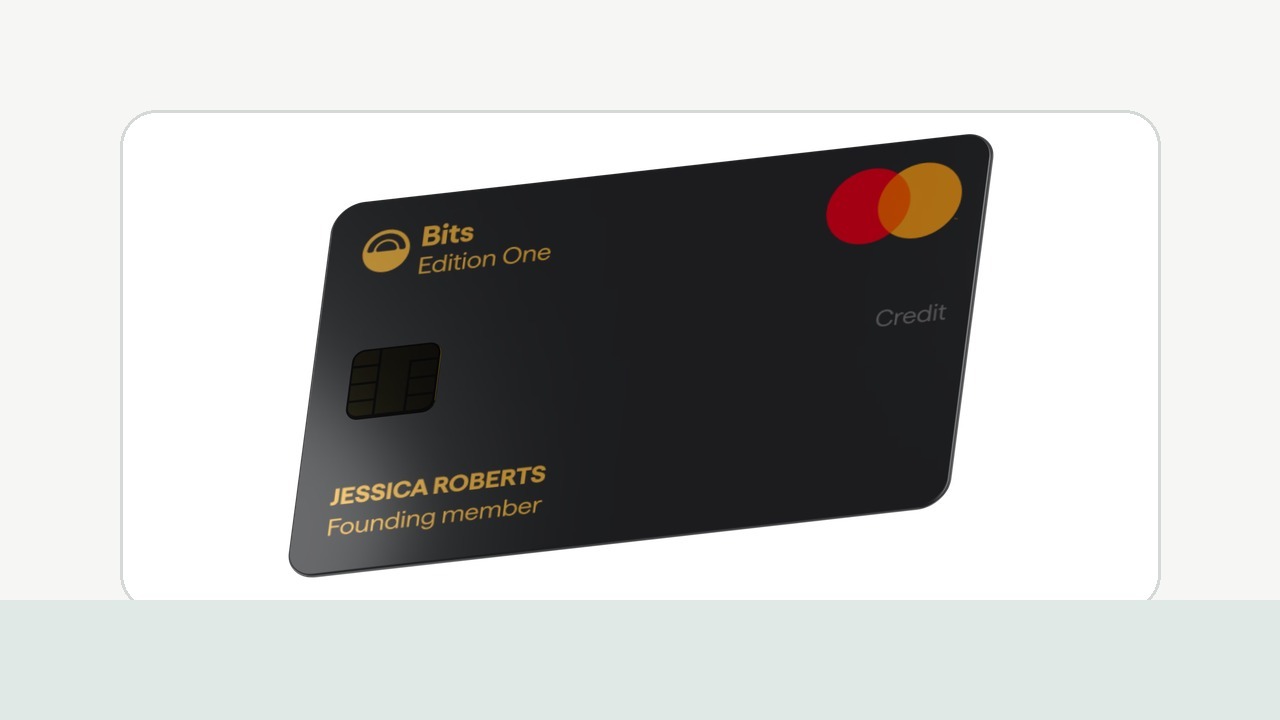
The current official Bits page lists a £14/month subscription. The current official Pave page lists a 14-day free trial, then £9/month. On headline subscription alone, Pave is cheaper.
That does not automatically make Pave the better value. Bits includes a card-led structure that may be more useful if you want a small reported credit line and a simple card repayment routine. Pave may be better value if you want credit monitoring, bill alerts, and credit-building support without adding a spending card.
The value check is simple: are you paying for a behaviour you will actually maintain? A £9 monthly subscription is still poor value if you forget to engage with it. A £14 monthly subscription can be justified only if the card workflow helps you build a cleaner repayment habit without encouraging unnecessary spending.
3. APR and interest: both use 0% APR language, but the product risk is not zero
Both providers use 0% APR or interest-free language in their official material. Bits says its Credit Card has 0% APR, 0 FX fee, and 0 interest. Pave says its lines of credit are provided with 0% APR and are interest free.
That does not mean there is no downside. The risk is not mainly interest cost; it is payment behaviour. If a payment is missed or late, both products warn that this can be reported and may harm your score. That is especially important for readers who are already struggling with priority bills, overdrafts, rent, or existing credit commitments.
For credit-building products, the fee and the reporting mechanism are only half the story. The bigger question is whether the product makes your financial routine more stable or adds another payment you might miss.
4. Credit reporting: both cover the three major UK bureaus
Both Bits and Pave state that activity can be reported to Experian, Equifax, and TransUnion. This is a meaningful feature because a product that reports to only one bureau may not show up everywhere a future lender checks.
The detail still matters. Bits reports card and store-card related repayment performance. Pave reports subscription and Bills Protection payments and says active credit building involves opening a credit line. Those are different credit-file stories.
If you are comparing these products, ask what future lenders are likely to see. A small card account with clean repayment behaviour can look different from a credit-builder account tied to subscription payments. The useful outcome is not a vanity score increase inside one app. It is a cleaner, more consistent credit file across the agencies lenders may inspect.
5. Eligibility: soft checks reduce friction, but they do not mean acceptance is guaranteed
Bits says checking eligibility is a soft check and that a hard check happens when you formally accept an offer. Its official material also says UK residents aged 18+ with valid ID are eligible to apply, subject to terms. Pave says its membership does not require a hard check and that users must be 18 or older.
A soft check is helpful because it lets you inspect likely eligibility without the same footprint as a full credit application. But it should not be read as guaranteed approval, guaranteed limit growth, or guaranteed score movement.
If you have a recent CCJ, IVA, or bankruptcy, Pave explicitly warns that it may not be able to help until the marker is older than 12 months. Bits also warns that repayment performance is reported as-is. If your current budget is under stress, a credit builder can become another negative marker rather than a recovery tool.
6. Limits and spending control: Bits gives more practice, Pave gives fewer temptations
Bits lists a starting limit from £50 and says limits can grow with your score. That can be useful if you want to practise low-limit card management. The smaller limit also reduces the damage that can come from overspending, although it does not remove the risk of missed repayments.
Pave does not compete on card limit growth. Its strength is a lower-friction credit-building workflow: pay the subscription, connect relevant accounts, receive bill alerts, and use support to understand your credit file. That can suit people who know that access to another spending card would be unhelpful.
This is the core tradeoff. Bits gives you more of a credit-card habit to manage. Pave gives you less card behaviour to manage, but still creates a paid commitment that must be kept up.
7. Regulatory and protection notes: read these before signing up
Bits states that some services are regulated, but its core services including Bits Subscription, Bits Credit Card, and Bits Store Card are not regulated credit products because they are structured under exemptions in the Regulated Activities Order. Its regulatory page also says this may mean customers do not receive protections that typically come with a regulated credit product.
Pave states that Pave Fintech Limited is authorised and regulated by the FCA and that active credit building involves a regulated credit agreement. That is an important distinction, but it should not be simplified into “safe” versus “unsafe”. Regulated status tells you about product structure and complaint/protection channels; it does not make missed payments harmless or score improvement certain.
Before choosing either product, read the provider’s regulatory status, complaints process, and risk wording. If you are unsure how a product will appear on your credit file, ask the provider before you accept.
8. Support and public user signals: use reviews carefully
Public reviews can help you spot recurring support themes, but they should not be treated as proof that your score will change. Trustpilot itself notes that it does not fact-check specific review claims. We use review pages only as weak signals around support, payment friction, cancellation issues, and product clarity.
For Bits, public reviews often discuss customer service, ease of use, limits, and card management. For Pave, reviews often discuss support, credit score awareness, and app guidance. In both cases, the more useful reading is in the negative and mixed reviews: look for payment-date issues, reporting delays, cancellation friction, and confusion about fees.
A credit builder is not a one-click repair tool. If a provider’s workflow seems confusing before signup, do not assume it will become easier after a payment schedule begins.
Who should choose Bits?
Choose Bits when you specifically want a small-limit card-style product and are confident you can repay on time. It may fit readers who want to build repayment discipline with a controlled limit, want activity reported to all three major UK credit reference agencies, and prefer a clear card account over a passive subscription.
Skip Bits if another spending card would tempt you to borrow more than planned, if the £14 monthly subscription feels tight, or if the regulatory note about the core card products being unregulated makes you uncomfortable.
Who should choose Pave?

Choose Pave when you want a lower monthly subscription, bill alerts, credit-file support, and a credit-building workflow that is not centred on everyday card spending. It may fit readers who want to avoid a card product but still want reported payment behaviour and guidance across the major bureaus.
Skip Pave if you recently had a CCJ, IVA, or bankruptcy within the period Pave warns about, if you cannot comfortably afford another monthly subscription, or if you mainly want a physical card and limit growth practice.
How this fits with other Thnktnk finance comparisons
If you are building a broader money setup, compare this article with our guide to Stocks and Shares ISA platform fees, our Trading 212 vs Freetrade ISA comparison, our Raisin vs Flagstone savings platform comparison, and our Wise vs Revolut travel card comparison. The same editorial rule applies across all of them: fees, risk, access, and exit friction matter more than headline promises.
FAQ
Is Bits or Pave better for building credit?
Neither is universally better. Bits may fit someone who wants a small-limit card workflow and can repay reliably. Pave may fit someone who wants subscription-led credit building and bill alerts without a spending card. Both warn that missed payments can harm your score, and neither should be treated as a guaranteed score improvement.
Does Bits report to all three credit reference agencies?
Bits says it reports account activity to Experian, Equifax, and TransUnion. That is useful coverage, but it does not guarantee a specific score result. Your wider credit profile, existing accounts, missed payments, hard searches, and utilisation can all affect outcomes.
Does Pave report to all three credit reference agencies?
Pave says subscription and Bills Protection payments are reported to Experian, Equifax, and TransUnion. It also says active credit building involves opening a credit line and signing a regulated credit agreement. Read the terms before joining so you understand what is being reported.
Which is cheaper, Bits or Pave?
Based on official pages checked on 3 July 2026, Pave’s headline subscription is lower: 14-day free trial then £9/month. Bits lists £14/month. Price can change, so check the provider’s current terms before signing up.
Can a credit builder app damage my credit score?
Yes. Both products warn that missed or late payments can harm your score. A credit builder is only useful if the payment schedule is affordable and easy to maintain. If you are already struggling with essential bills, adding another payment may be the wrong move.
Is this personal financial advice?
No. This comparison is editorial information for UK readers comparing finance products. It does not consider your full financial circumstances. If debt repayments, missed bills, or financial vulnerability are already a concern, consider getting free debt guidance before adding a paid credit-building product.
Source Notes
Official product details were checked against the Bits official site, the Pave official site, and public review signals such as the Bits Trustpilot profile. Public reviews were treated as anecdotal user signals, not as proof of product performance.
Title Candidates
- Bits vs Pave Credit Builder: 8 Fee, APR, Reporting and Risk Differences UK Users Should Check
- Bits or Pave for Credit Building? 8 UK Product Differences Before You Pay
- Bits vs Pave: The Credit Builder App Comparison for Fees, Reporting and Risk
- Before You Choose Bits or Pave, Check These 8 Credit Builder Tradeoffs
- Bits vs Pave Credit Builder Card and App: Which Workflow Fits Your Budget?